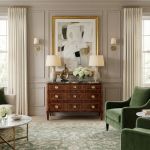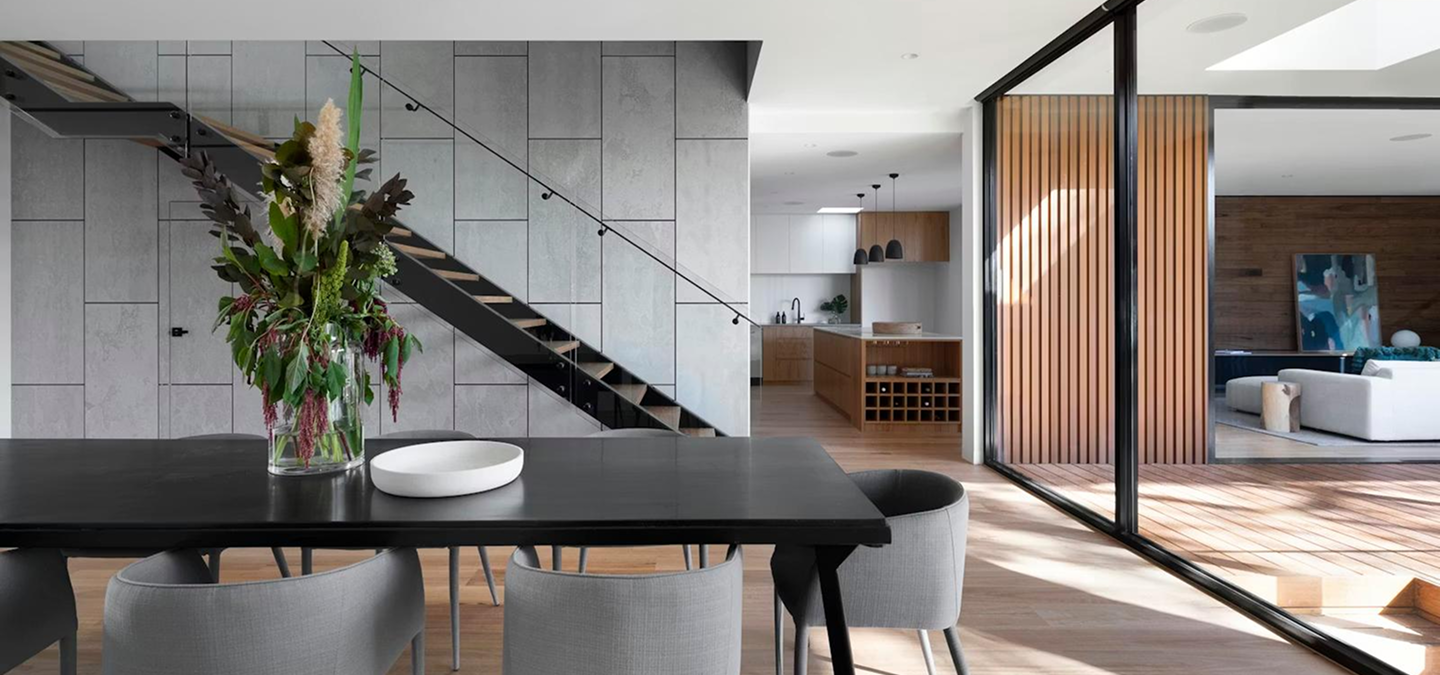
In the world of interior design, the temptation to fill a space often outweighs the courage to leave it open. However, the most sophisticated interiors aren't built on a multitude of objects, but rather on the strategic placement of a single, powerful “anchor piece.”
An anchor piece—be it an 18th-century Biedermeier armoire or a substantial Mid-Century Modern sideboard—serves as the psychological and visual center of gravity for a room. It dictates the scale, informs the material palette, and provides a historical counterpoint to modern architecture.
“A room without an anchor is a room without a story. One exceptional piece provides the context that makes everything else belong.”
Proportion Over Quantity
When sourcing for a client, we often look for “weight.” This isn’t just about physical mass, but visual presence. A common mistake is choosing furniture that is too small for a high-ceilinged room, leading to a cluttered feel as more items are added to compensate for the void.
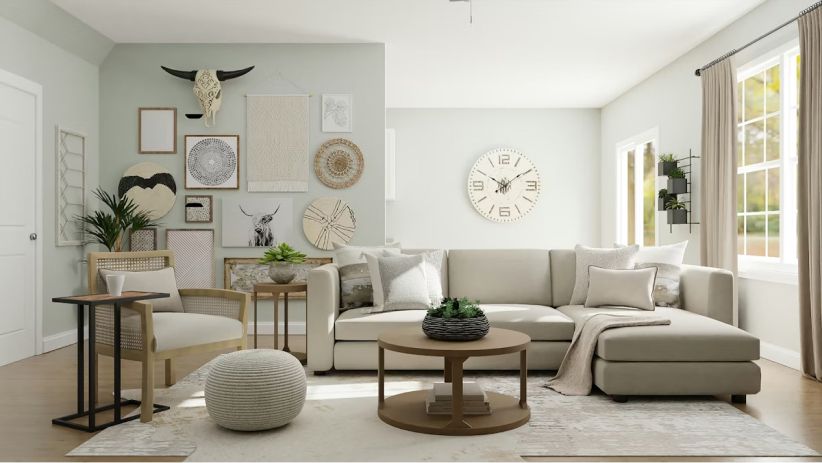
The Modern Context
An anchor piece—be it an 18th-century Biedermeier armoire or a substantial Mid-Century Modern sideboard—serves as the psychological and visual center of gravity for a room. It dictates the scale, informs the material palette, and provides a historical counterpoint to modern architecture.